Observed during the month of Avani in the Tamil calendar, Avani Avittam is an important annual tradition for families who follow these customs. The rituals and dates may vary according to the Veda, regional practices, and family traditions.
History and Significance of Avani Avittam
The word Upakarma is associated with beginning or resuming Vedic study. Avani Avittam provides an opportunity to renew one's dedication to spiritual learning, discipline, and traditional responsibilities.
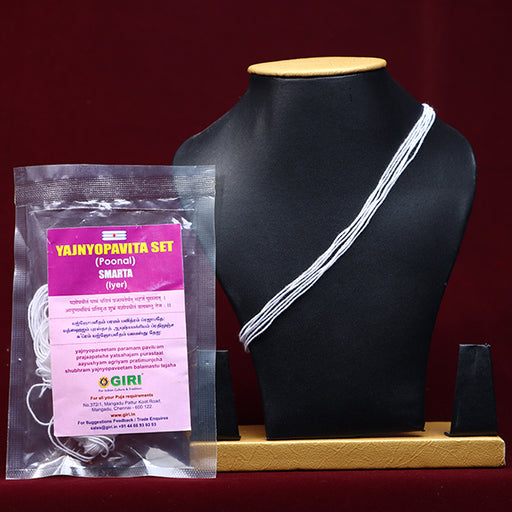
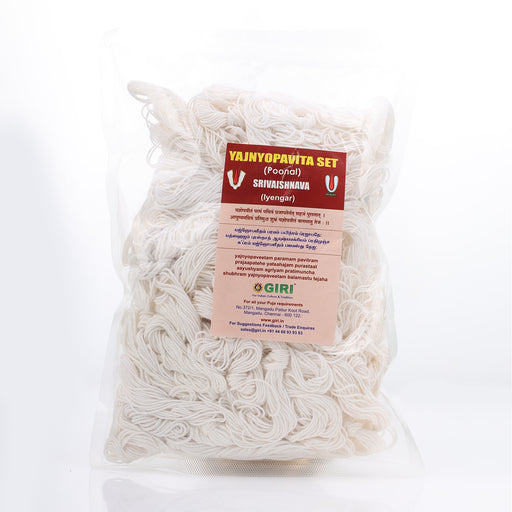
One of the central practices of the day is the renewal of the Yajnopavita, commonly known as Poonal or Sacred Thread. Changing the sacred thread symbolises purification and a fresh commitment to dharma, knowledge, and spiritual discipline.
The observance also honours the Rishis and teachers who preserved Vedic knowledge and passed it from one generation to another. Through prayers and traditional rituals, devotees express gratitude and seek blessings for wisdom, spiritual growth, and well-being.
Sacred Thread and Poonal
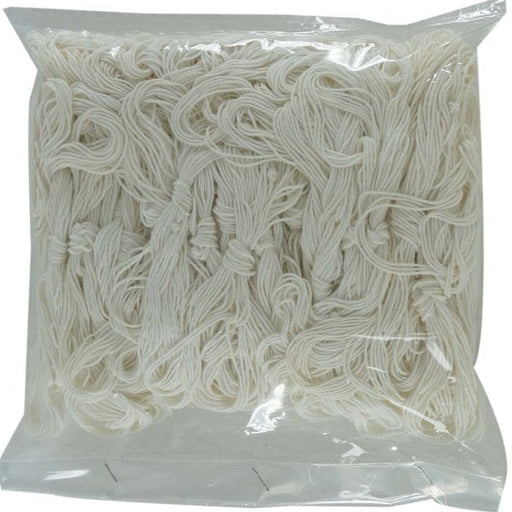
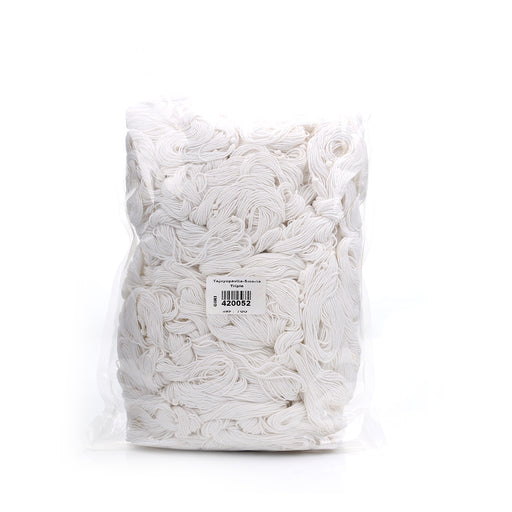
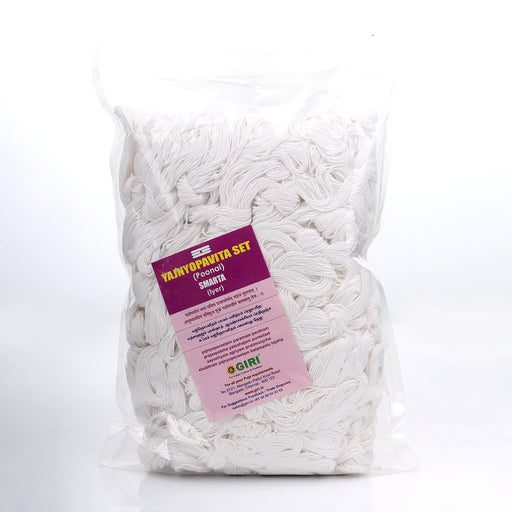
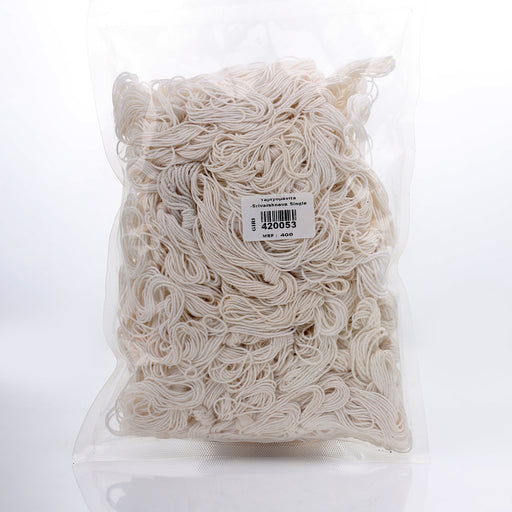
The Sacred Thread, or Poonal/Yajnopavita, has an important place in Avani Avittam rituals. During the ceremony, the old thread is traditionally replaced with a new one after performing the prescribed prayers.
The new thread represents renewal and reminds devotees of their spiritual responsibilities. It also symbolises a continued commitment to learning, discipline, and following one's traditional duties.
For those observing Yajur Upakarma, having the appropriate Poonal, Sacred Thread, and other ritual essentials prepared beforehand helps families perform the ceremony according to their traditional practices.
Rig Veda and Yajur Veda Traditions
Avani Avittam is observed according to different Vedic traditions, and the procedures can vary.
Followers of the Yajur Veda commonly observe the occasion as Yajur Upakarma or Yajurveda Upakarma. The ceremony generally includes sacred-thread renewal, prayers, and prescribed Vedic rituals.
Followers of the Rig Veda tradition observe their corresponding Upakarma according to their own traditional procedures. Since the rituals and timings may differ, families should follow the practices prescribed by their Vedic tradition, family customs, or spiritual teacher.
Avani Avittam Rituals
The exact procedure varies between traditions, but a traditional Avani Avittam Pooja generally includes purification, prayers, sacred-thread renewal, and offerings.
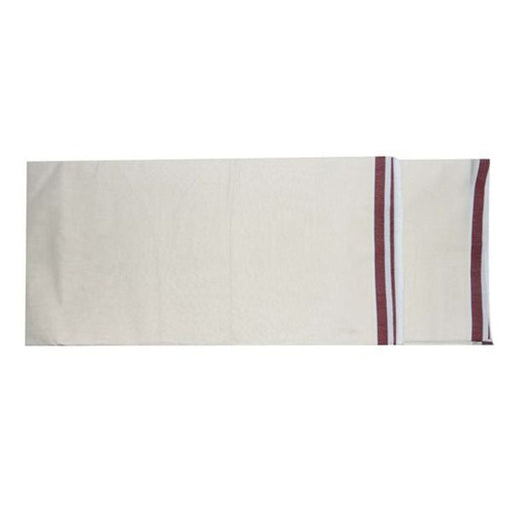
Preparation: Devotees traditionally take a bath, wear clean clothes, and arrange the required pooja essentials.
Sankalpam: A sacred resolve is made before beginning the ceremony according to the individual's Vedic tradition.
Sacred Thread Renewal: The old Poonal or Yajnopavita is replaced with a new Sacred Thread while reciting prescribed mantras.
Rishi Tarpanam: Traditional offerings are made to honour the Rishis associated with the preservation of Vedic knowledge.
Vedic Prayers: Appropriate mantras and prayers are recited according to the Veda followed by the devotee.
Gayatri Japam: Devotees may also observe Gayatri Japam as part of their traditional practices associated with Upakarma.
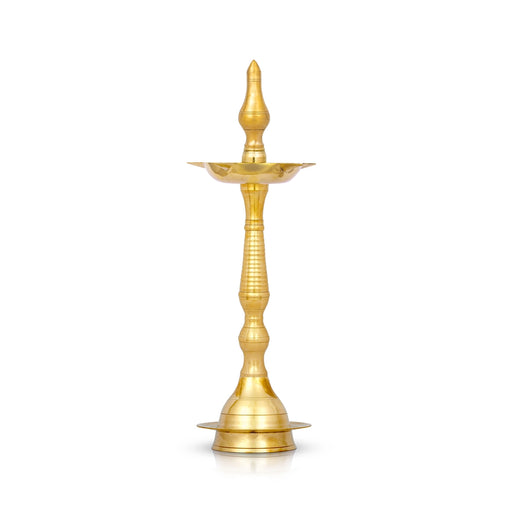
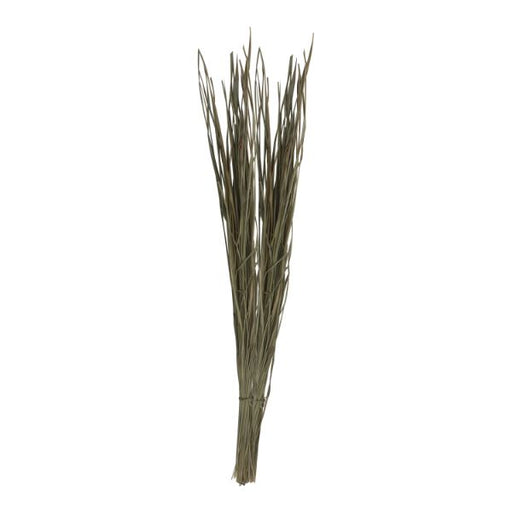
Families may prepare traditional Avani Avittam Pooja Samagri, including Pavitram, Darbha Grass, Akshata, flowers, turmeric, kumkum, betel leaves, areca nuts, and suitable pooja vessels, depending on their Vedic and family traditions.
Spiritual Importance of Avani Avittam
Avani Avittam is more than an annual sacred-thread ceremony. It reminds devotees of the importance of knowledge, discipline, gratitude, and spiritual responsibility.
The observance encourages families to maintain their connection with Vedic learning and traditional prayers. It also gives younger generations an opportunity to understand and preserve the customs followed by their families.
The renewal of the Sacred Thread represents a fresh beginning and a renewed commitment to spiritual practices and traditional duties.
Avani Avittam in Australia
Hindu families across Australia continue to observe Avani Avittam while preserving their traditional customs. Preparing Poonal, Sacred Thread, Yajnopavita, and Upakarma essentials in advance makes it easier for families to observe the occasion according to their traditions.
For families living away from their ancestral communities, access to traditional ritual essentials can help them continue these important practices and introduce younger generations to their cultural heritage.
Conclusion
Avani Avittam is a sacred observance representing spiritual renewal, Vedic learning, gratitude, and devotion. Through Sacred Thread renewal, Rishi Tarpanam, traditional prayers, and other Upakarma rituals, devotees reconnect with their spiritual responsibilities and the timeless knowledge preserved by the Rishis.
Whether following the Rig Veda or Yajur Veda tradition, families can prepare with the appropriate Poonal, Yajnopavita, Sacred Thread, and Upakarma essentials according to their customs.
May this Avani Avittam bring wisdom, peace, spiritual strength, and divine blessings to every family observing this sacred tradition.
Avani | Avittam | Avani Avittam | Upakarma | Upakarma Pooja | Yajur Upakarma | Yajur Veda | Sacred Thread | Poonal | Poonal Thread | Yajnopavita | Yagnopavita | Janeu | Thread | Pooja Samagri | Pooja Items | Pooja Kit | Pooja Essentials | Vedic Rituals | Vedic Pooja | Vedic Essentials | Pooja Supplies | Hindu Pooja | Hindu Rituals | Religious Items | Religious Supplies | Ritual Items | Ritual Supplies | Rig Veda | Yajurveda