Types of Sacred Conch shells
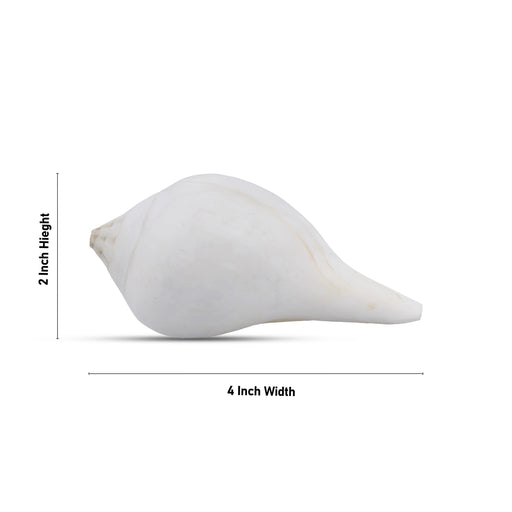
Conch shells are primarily classified by the direction of their spiral when viewed from the tip.
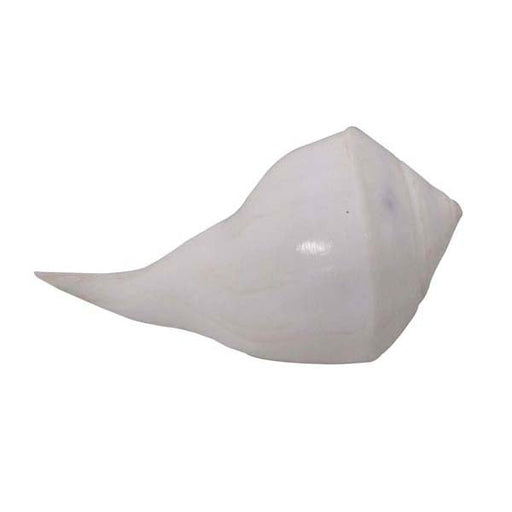
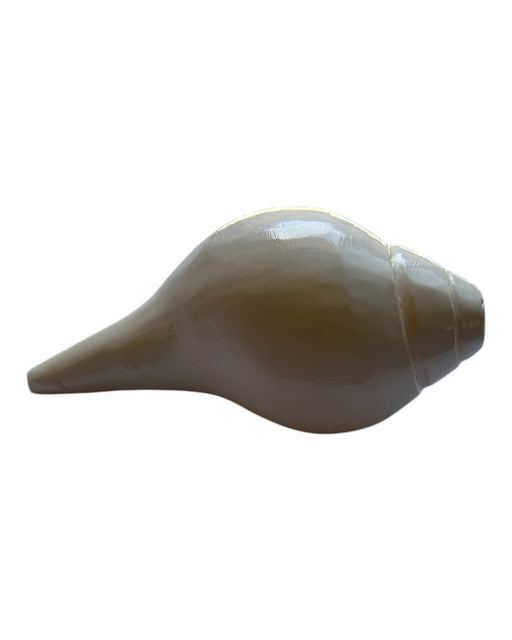
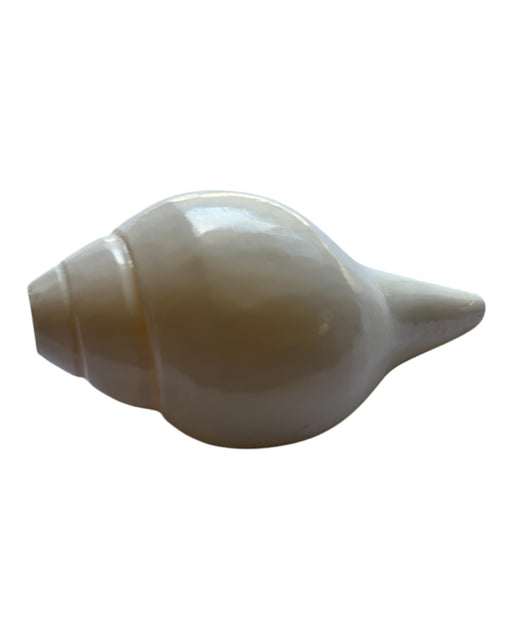
Vamavarti Shankh (Blowing Sangu/Left-Handed)
Description: This is the most common variety, where the spiral opens toward the left.
Significance: Associated with Lord Vishnu, it is used specifically for blowing during aartis and rituals.
Usage: The sound (Shankhnaad) is believed to purify the surroundings, remove "rajas" and "tamas" (distressing) frequencies, and strengthen the blower's respiratory system.
Dakshinavarti Shankh (Rare Right-Handed)
Description: An extremely rare variant (often cited as 1 in 200,000) where the spiral opens toward the right.
Significance: Known as the Lakshmi Shankh, it represents the abode of the Goddess of Wealth.
Usage: Traditionally not blown. It is placed on the altar, often on a silver or brass plate, and worshipped to attract financial stability, peace, and success.
Ganesha Shankh
Description: A rare shell that naturally resembles the form of Lord Ganesha, often with a trunk-like protrusion.
Significance: Used to remove obstacles and bring wisdom and success to the household.
Gaumukhi Shankh (Cow Conch)
Description: The mouth of this conch resembles a cow's face.
Significance: It is believed to bring the same blessings as keeping a cow (symbol of abundance), fostering harmony and happiness.
Specialised Rare Shankhs
Heera Shankh (Diamond/Pahadi Shankh): Found in mountains; associated with immense wealth and protection.
Moti Shankh (Pearl Conch): Shiny and white; used for mental peace, emotional stability, and clarity.
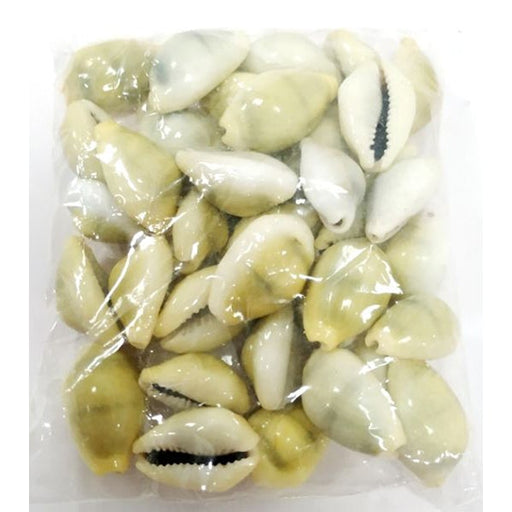
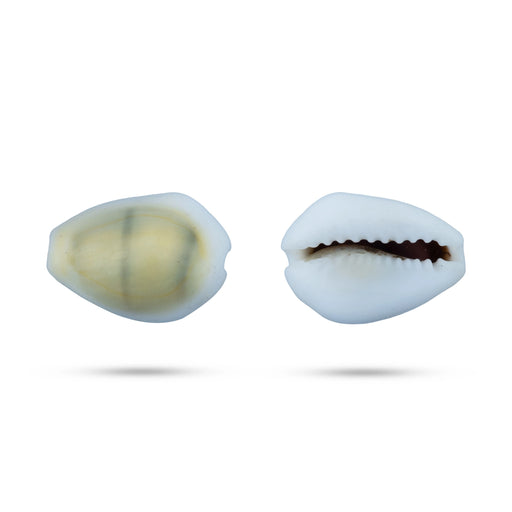
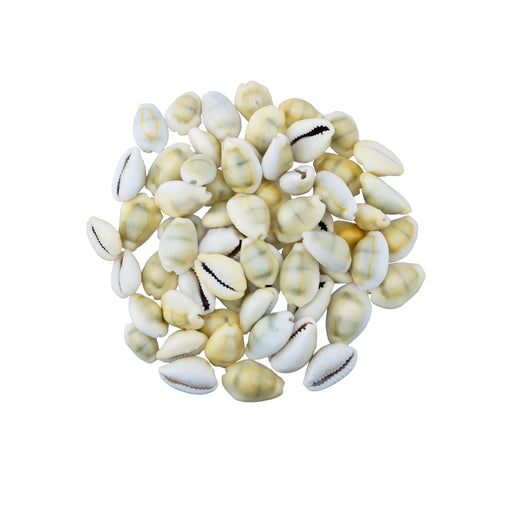
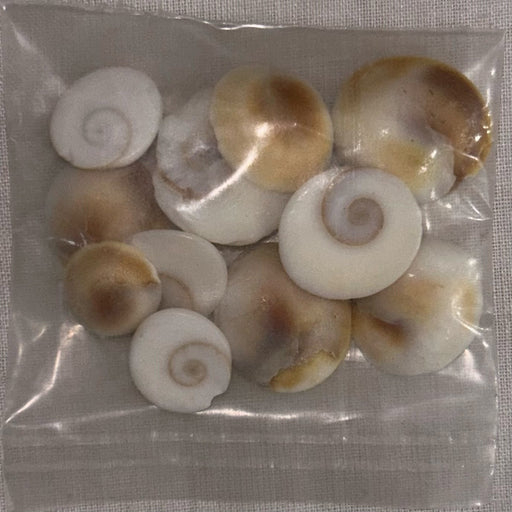
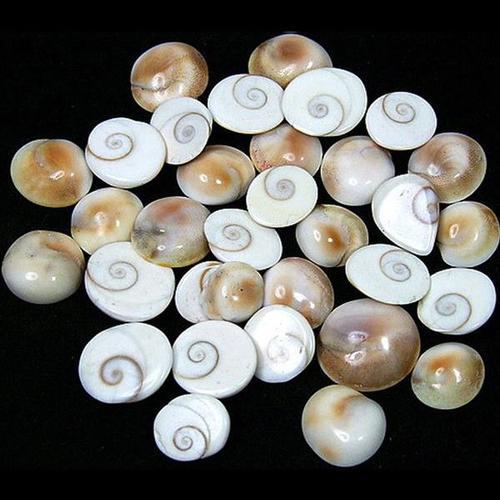
Kauri Shankh: Smaller shells associated with Lakshmi; often kept in cash boxes to attract prosperity.
Significance in the Puja Room
Keeping and using a Shankh in your home temple offers several spiritual and Vastu benefits:
Purification of Space: Blowing the Vamavarti Shankh produces vibrations that clear mental clutter and cleanse the environment of negative energies.
Attracting Abundance: Placing a Dakshinavarti Shankh (Valampuri Sangu) in the Northeast corner of the puja room is said to invite continuous financial growth and prosperity.
Vastu Remediation: It is used to nullify Vastu doshas (defects). Water stored in a Shankh overnight is considered as holy as Ganges water and can be sprinkled around the house for purification.
Health and Wellness: Scientific perspectives suggest regular blowing improves lung capacity, tones facial muscles, and can even aid speech clarity in children who stammer.
Proper Placement and Care
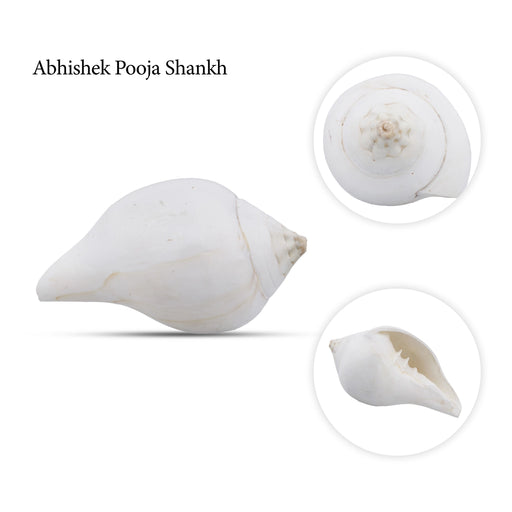
Separation of Use: Traditionally, two different Shankhs should be used: one for blowing and one for rituals like bathing the deity. The blowing Shankh should not be used for puja worship.
Direction: Place the Shankh in the North or Northeast of the puja room. The pointed end should face the idols, while the open part should face the worshipper.
Maintenance: Clean the Shankh regularly with water or Ganga jal. Never place it directly on the floor; always use a stand, a clean cloth, or a metal plate.
Valampuri Sangu | Blowing Sangu | Edampuri Shankh | Edampuri Sangu | Indian Valampuri Sangu | Lakshmi Valampuri | Lakshmi Valampuri Sangu | Original Valampuri Sangu | Sangu Valampuri | Valamp | Sangu Blowing | Sangu Valampuri | Shankh Valampuri | Small Valampuri Sangu | Valampuri Edampuri Sangu | Valampuri Sangu Blowing | Valampuri Sangu Buy Online | Valampuri Sangu For Sale | Valampuri Sangu Original | Valampuri Sangu Original Price | Valampuri Sangu Price | Valampuri Sangu Rate | Valampuri Shankh Original