History and Significance
The word Navratri translates to "nine nights" in Sanskrit. While celebrated across India, the Golu tradition is most prominent in Tamil Nadu, Karnataka, Andhra Pradesh, and Telangana. It is believed to have originated during the Vijayanagara kingdom in the 14th century as a royal tradition that eventually moved into households.
One powerful legend suggests that when Goddess Durga fought the demon Mahishasura, all the other deities transferred their powers to her. Having spent their energy, they stood still like statues. The Golu display honors this selfless act by representing the gods and goddesses as dolls.
The Significance of Golu
The word "Golu" essentially means a "court." By setting up these dolls, devotees are inviting the Goddess to reside in their homes as a queen holding court. This tradition is deeply rooted in the legend of Goddess Durga’s battle against the demon Mahishasura. It is said that all the gods and goddesses gave their powers to Durga to help her defeat the evil force. Once they handed over their energies, they became still and statue-like. The Golu display honors this sacrifice, representing the divine presence in all living and non-living things.
The Golu Stand (Padi)
The foundation of any Golu is the Padi, a stepped stand usually made of wood or steel. Tradition dictates that the number of steps must be an odd number, such as 3, 5, 7, 9, or 11.
The Setup: The stand is typically covered with a clean white sheet or an ornate silk saree.
The Symbolism: The tiers represent the evolutionary ladder of life. The bottom steps represent worldly life, the middle steps represent human intellect and sainthood, and the top steps represent the highest divine consciousness.
Organizing the Golu Dolls
Arranging the dolls is a family event that requires creativity and storytelling.
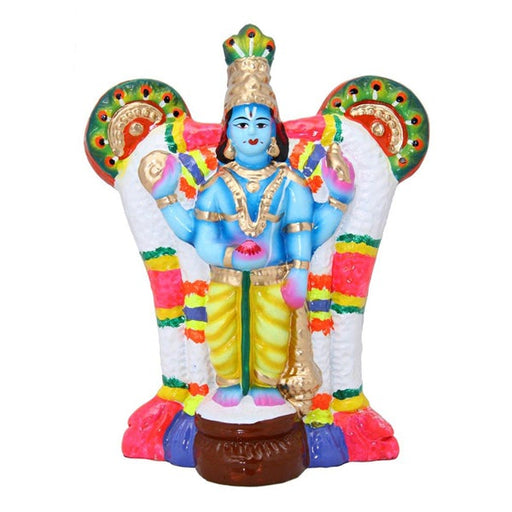
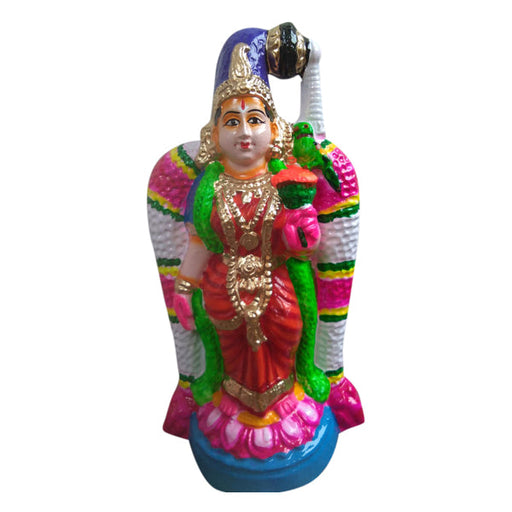
The Top Tiers (The Divine): The highest steps are reserved for the gods. The most important dolls here are the Marapachi Dolls, traditional wooden figurines of a bride and groom. They are often passed down through generations and symbolize fertility and prosperity. You will also see idols of Durga, Lakshmi, Saraswati, and Lord Ganesha.
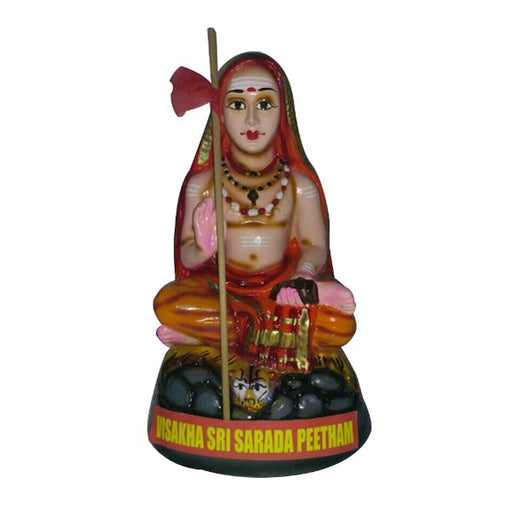
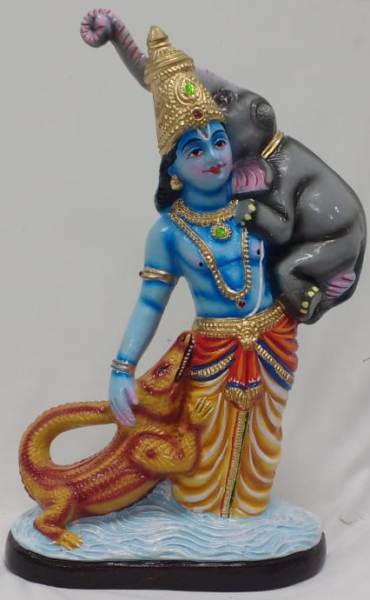
The Middle Tiers (The Wise): These steps feature figurines of great saints, poets, and heroes. You might find dolls of Swami Vivekananda, the Alwars, or scenes from the Ramayana and Mahabharata.
The Lower Tiers (The Worldly): The bottom steps depict "manushya" (human) life. This is where you see "Chettiar" dolls (merchants) with tiny bags of pulses and grains, farmers tilling the land, or miniature wedding sets. It reminds us that the divine exists even in our mundane daily chores.
Navratri Pooja Rituals
The Golu is not just a decoration; it is a living altar. The Navratri Pooja begins with the installation of the Kalash a brass or copper pot filled with water, topped with mango leaves and a coconut. This represents the Goddess herself.
Daily Prayers: Every morning and evening, the family gathers to light the Diya (oil lamp) and offer incense.
Music and Chant: In many households, women and children sing devotional songs or play instruments like the veena or violin to entertain the Goddess.
The Offering (Neivedyam): The most significant food offered during Navratri is Sundal. This is a nutritious dish made of legumes (like chickpeas or moong dal) tempered with mustard seeds and coconut. Each of the nine days features a different variety of Sundal.
The Spirit of Social Connection
Navratri is a highly social festival. It is a time for "Golu hopping," where friends and neighbors visit each other’s homes to see the doll displays. This fosters a sense of community and allows people to appreciate the creativity of their peers.
The Tradition of Return Gifts (Tamboolam): In South Indian culture, no guest leaves a Navratri Golu empty-handed. When women and children visit, they are honored as forms of the Goddess. The host provides a Tamboolam, a gift bag that carries deep symbolic meaning.
Essential Items: A traditional Tamboolam includes betel leaves, betel nuts, turmeric (haldi), and vermillion (kumkum).
Gift Items: Modern return gifts often include small useful items like stainless steel bowls, ethnic handbags, bangles, or decorative mirrors.
Significance: Giving these items is believed to bring "Sumangali" (auspiciousness) and prosperity to both the giver and the receiver.
Modern Golu Themes
While the traditional arrangement remains popular, many families now include Theme Golus. These displays focus on modern messages like "Save the Earth," "Space Exploration," or "Clean India." This keeps the tradition relevant for the younger generation, blending ancient mythology with contemporary social awareness.
The Conclusion: Vijayadashami
The festival reaches its peak on the tenth day, Vijayadashami, the day of victory. Before the Golu is dismantled, a beautiful ritual takes place. One doll is symbolically laid down on the step, signifying that the Goddess is being "put to sleep" after her long battle and celebration. The Kalash is moved slightly toward the north to signal the end of the festival.
Why Setup a Golu?
Setting up a Golu is more than a religious act; it is a way to preserve culture. It teaches children about Indian epics, encourages artistic expression through decoration, and reinforces the importance of hospitality. It is a celebration of the feminine energy that sustains the universe, reminding us that through discipline, devotion, and community, good will always triumph over evil.
Navaratri | Navaratri Festival | Maha Navaratri | Navaratri Celebration | Navarathri Celebrations | Navarathri Golu | Navarathri Pooja | Navaratri Durga Puja | Navaratri Golu | Navaratri Puja | Navaratri Puja At Home | Navratri Devi Puja | Navratri Devi Pooja | Navratri Home | Navarathri Golu 2026 Navaratri 2026 | Navaratri Festival 2026 | Navarathri Golu 2026 | Golu Bommai | Golu Padi | Golu Dolls | Golu Dolls Online | Golu Bommai Online | Ashtalakshmi Dolls | Bommai Golu | Bommai Kolu | Bommai Kolu Dolls | Bangle | Tamboolam | Betel Leaves | Betel Nuts | Turmeric | Haldi | Vermillion | Kumkum