The Sacred Legend: The Story of Charumati
The origin of this Vratam is found in the Skanda Purana, where Lord Shiva narrates the story to Goddess Parvati. In the town of Kundina, there lived a humble and pious Brahmin woman named Charumati. She was deeply devoted to her family and performed her duties with selfless love.
Pleased by her devotion, Goddess Lakshmi appeared in Charumati’s dream and instructed her to perform the Varalakshmi Vratam on the Friday before the Shravana Purnima. Charumati shared this divine vision with her family and neighbors, who joined her in the ritual. As they completed the third circumambulation of the deity, their homes were miraculously filled with gold, jewels, and grains. Since then, women have observed this Vratam to invite divine abundance and protection into their homes.
Significance and Meaning of Pooja Items
Each element used in the ritual holds deep symbolic and spiritual significance:
Kalasham (Sacred Pot): Represents the "Divine Womb" of creation, embodying the Goddess’s essence. It serves as a sacred vessel to invite her presence, symbolizing the source of all life, abundance, and spiritual energy during the Varalakshmi Vratam ritual.
Coconut: symbolizes purity and selfless sacrifice. In the ritual, it represents the "head" of the Goddess, serving as a sacred vessel for her divine consciousness and blessings.
Mango Leaves: signify freshness and fertility, representing life’s eternal growth. Placed at the Kalasham’s rim, they act as a sacred welcome for the Goddess, purifying the atmosphere and inviting her divine energy into the home for prosperity.
.Rice: Spread at the Kalasham's base represents prosperity and "Dhanya" (nourishment). It symbolizes a foundation of abundance, inviting the Goddess to fill the home with food and sustainable wealth.
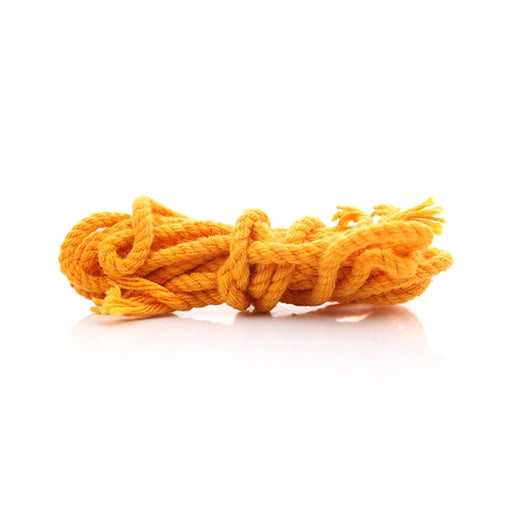
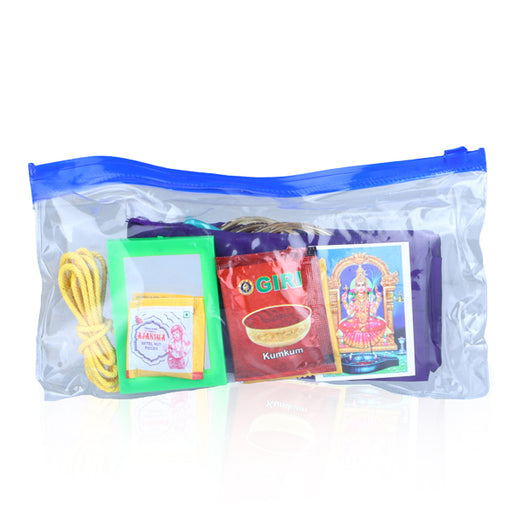
Thoram (Yellow Thread): A sacred yellow thread with nine knots, symbolizing the blessings and divine protection of the nine forms of Lakshmi, ensuring her grace remains with the devotee.
Kumkum and Turmeric: Represent auspiciousness and the "Suvasini" (married woman) status, seeking longevity for the husband and inviting the Goddess's divine protection..
Step-by-Step Pooja Ritual
The Vratam is typically performed in a clean, decorated space following these steps:
Preparation: Devotees wake up during Brahma Muhurtam, take a holy bath, and wear traditional silk attire. The house is decorated with Rangoli or Kolam.
Ganesha Pooja: Any ritual begins with worshipping Lord Ganesha to remove obstacles.
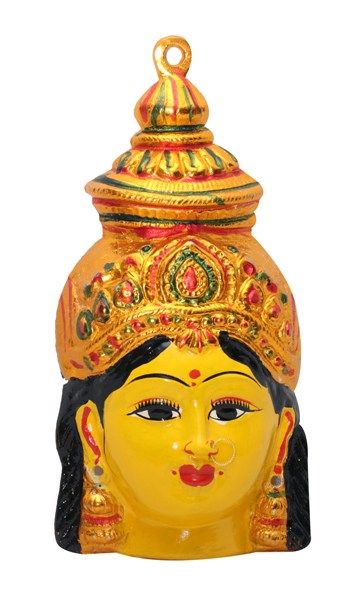
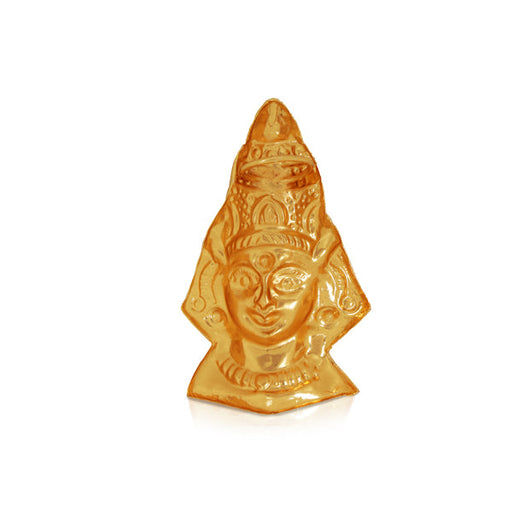
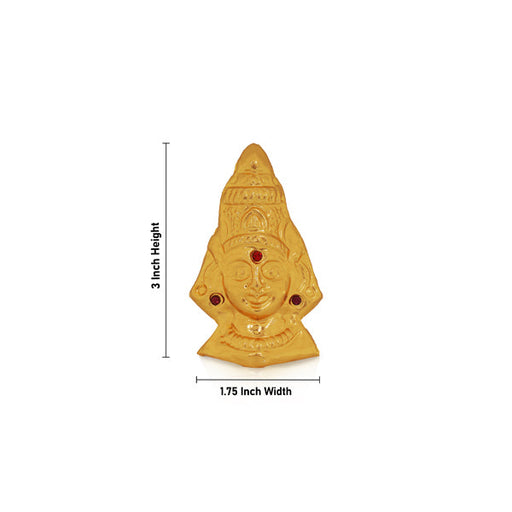
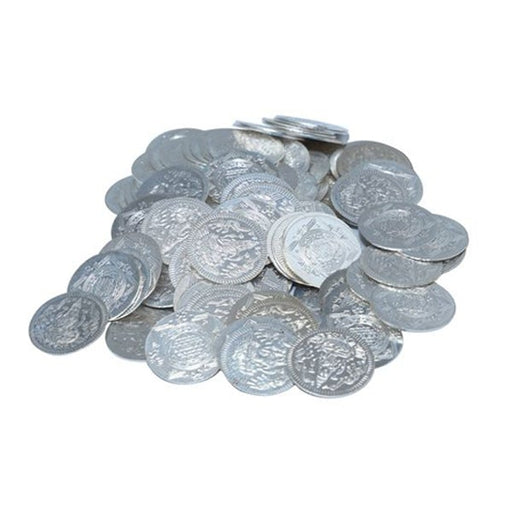
Kalasha Sthapana: A brass or silver pot (Kalasham) is filled with water, rice, coins, and betel nuts. Mango leaves are placed at the rim, topped with a turmeric-smeared coconut. A "face" of Goddess Lakshmi is often fixed to the coconut.
Invocation (Avahana): The Goddess is invited into the Kalasham through prayers and mantras.
Shodashopachara Pooja: This involves 16 steps of hospitality, including offering a seat (Aasanam), water for washing (Arghyam), new clothes (Vasthram), and ornaments.
Archana: Chanting the Lakshmi Ashtothram (108 names) while offering flowers and Akshata (consecrated rice).
Thora Pooja & Bandhanam: The sacred yellow threads are worshipped and then tied to the right wrist of the women as a symbol of protection.
Naivedyam: Special sweets and savories like Pongal, Kozhukattai, and Sundal are offered.
Aarti and Vrat Katha: The ritual concludes with a camphor aarti and the reading of the story of Charumati.
Essential Prayer Mantras
The most central mantra for the pooja is the Varalakshmi Dhyana Sloka:
Padmaasane Padmakare Sarva Lokaika Poojithe |
Narayana Priyadevi Supreetha Bhava Sarvada ||
Meaning: "O Goddess, who is seated on a lotus and holds a lotus, who is worshipped by all worlds, and who is the beloved of Lord Narayana, may you always be pleased with me".
Devotees also chant the Lakshmi Gayatri Mantra to attract intellect and abundance:
Om Mahalakshmyai Cha Vidmahe Vishnu Patnyai Cha Dheemahi |
Tanno Lakshmi Prachodayat ||
Observing this Vratam is believed to be equivalent to worshipping the Ashta Lakshmi—the eight forms of wealth, including courage, success, progeny, and wisdom—bringing total harmony to the household.
Who can perform pooja
While married women traditionally perform this pooja for their husband's longevity and family's well-being, others can also participate. Unmarried girls often observe the rituals to seek blessings for their future or parents. Additionally, men may perform the pooja or fast to achieve spiritual growth and worldly success. Ultimately, the ceremony is open to anyone approaching the Goddess with sincere devotion. If your menstrual cycle begins before the pooja, it is traditionally advised to perform the vratam on the following Friday or another Friday in the month of Shravana. If it starts during the rituals, a family member can continue the lamp lighting and offerings on your behalf.
Concluding the Pooja
The rituals conclude on Saturday morning with a final, heartfelt prayer. To signify the formal completion, known as Visarjan, slightly move the Kalasham from its original position. The sacred water from within is then sprinkled throughout the home for spiritual purification and protection. Finally, the rice is used to prepare Pongal, a traditional sweet dish, marking the end of the fast and welcoming the Goddess’s abundant blessings into your life.
Varalakshmi Vratham | Varamahalakshmi Nombu | Varalakshmi Puja | Ashtalakshmi Pooja | Varalakshmi Vrat | Ashta Lakshmi Puja | Ashta Laxmi Pooja | Varalakshmi Vrat 2026 | Varalakshmi Puja 2026 | Varalakshmi Vratham 2026 | Kalasam For Pooja | Amman Face For Kalasam | Ashta Lakshmi Pooja At Home | Ashta Laxmi Puja | Kalasam Pooja | Kalasam Varalakshmi Pooja | Lakshmi Devi Vratham | Lakshmi Devi Vratha Katha | Lakshmi Face For Pooja | Lakshmi Vratham | Sacred Pot