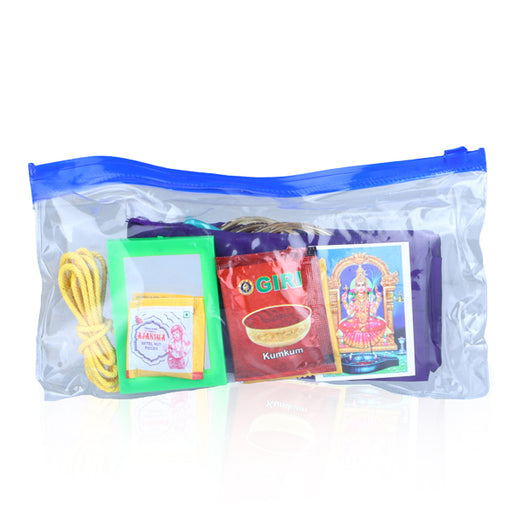
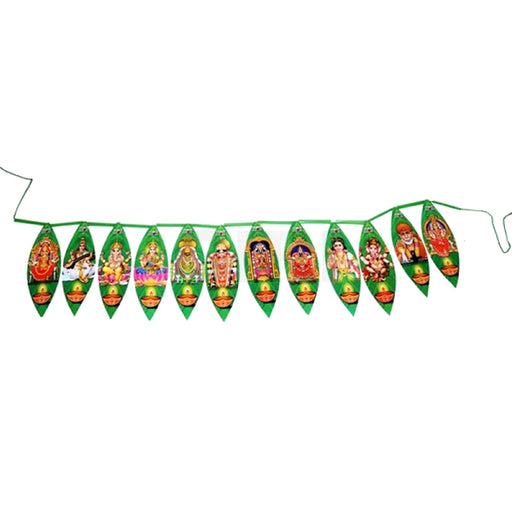
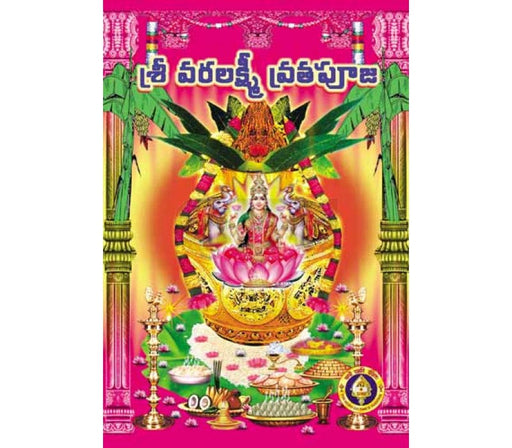
Varalakshmi Vratham is traditionally observed on a Friday during the sacred month of Shravana or Aadi, depending on regional customs. Devotees prepare their homes, arrange the required pooja essentials, decorate the Kalasham, and worship Goddess Varalakshmi with prayers, offerings, and traditional rituals.
The Sacred Story of Varalakshmi Vratham
The significance of Varalakshmi Vratham is traditionally associated with the story of Charumati, a devoted woman who lived in the kingdom of Magadha. According to the traditional legend, Goddess Lakshmi appeared in Charumati’s dream and instructed her to observe the Varalakshmi Vratham on a Friday.
Following the Goddess’s instructions, Charumati performed the Vratham with devotion along with other women. Pleased with their sincere prayers, Goddess Lakshmi blessed them with prosperity, happiness, and well-being.
The story highlights the importance of devotion, faith, and sincere observance. It is also one of the reasons devotees continue to perform Varamahalakshmi Pooja seeking the blessings of Goddess Lakshmi.
Significance of Varalakshmi Vratham
Varalakshmi Vratham is considered an auspicious occasion to worship Goddess Lakshmi and seek blessings for wealth, prosperity, health, happiness, and family well-being.
The Goddess is traditionally associated with the eight forms of prosperity known as Ashta Lakshmi. These forms represent different kinds of abundance, including wealth, food, courage, success, knowledge, progeny, and spiritual prosperity.
Observing the Vratham with devotion is believed to strengthen one's connection with Goddess Lakshmi and encourage gratitude for the blessings received in life.
Varalakshmi Pooja and Kalasham
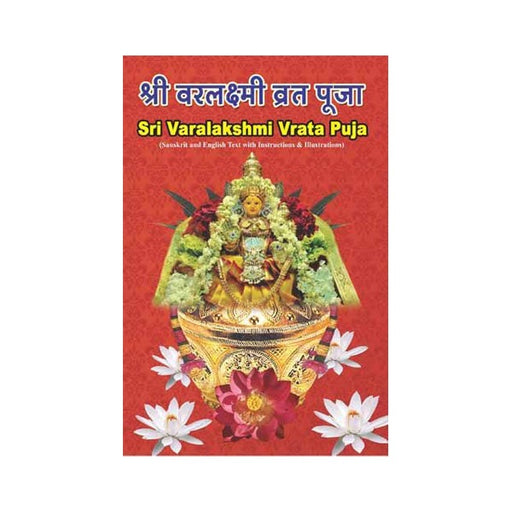
A central part of the celebration is the Varalakshmi Pooja, where Goddess Lakshmi is invoked into a decorated Kalasham. The Kalasham is traditionally filled with water and decorated with mango leaves, coconut, turmeric, flowers, and other auspicious items.
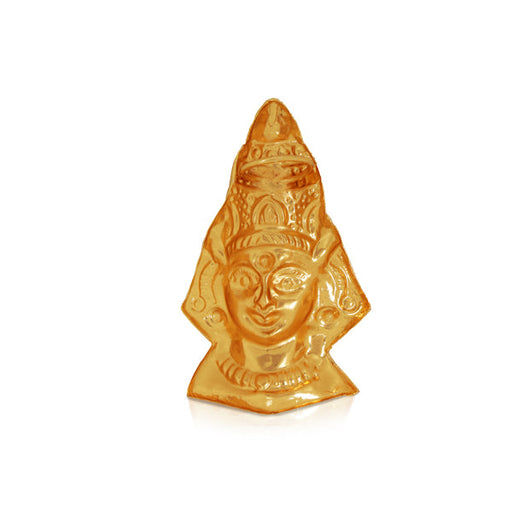
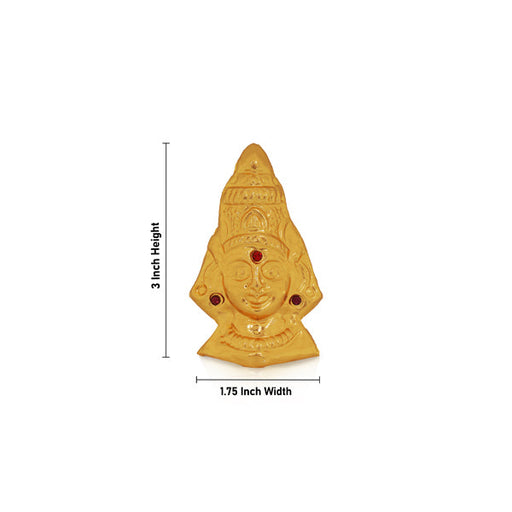
A Lakshmi face or image may be placed on the Kalasham and decorated with jewellery, vastram, flowers, and other ornaments. The beautifully decorated Kalasham represents the divine presence of Goddess Lakshmi and becomes the focal point of the household worship.
Traditional Varalakshmi Vratham Rituals
The exact procedure may vary according to regional and family traditions, but a traditional Varalakshmi Vratham Pooja commonly includes:
Preparation: The home and pooja area are cleaned and decorated with Kolam or Rangoli. Devotees traditionally take a bath and wear clean or traditional clothing.
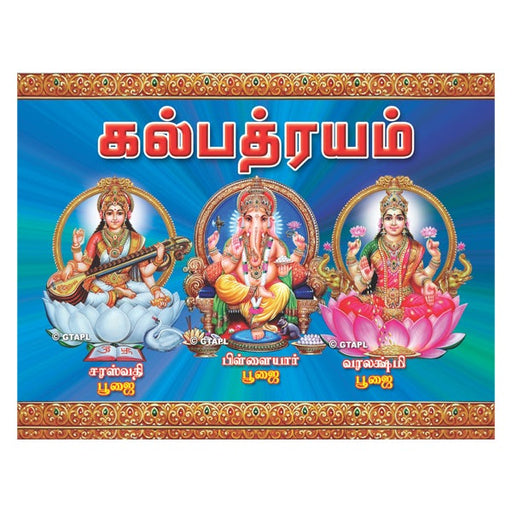
Ganesha Pooja: Lord Ganesha is worshipped first to seek blessings and remove obstacles before beginning the main ceremony.
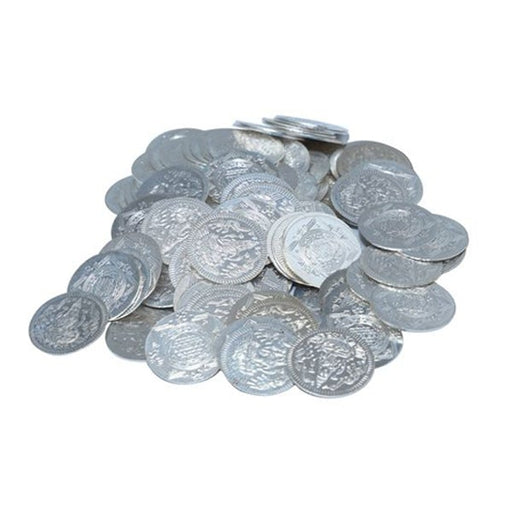
Kalasha Sthapana: A decorated Kalasham is prepared with water, rice, coins, mango leaves, and a coconut according to family tradition.
Avahana: Goddess Varalakshmi is invoked into the Kalasham through traditional prayers and mantras.
Alankaram: The Goddess is decorated with Vastram, jewellery, flowers, turmeric, and kumkum.
Archana: Devotees offer flowers and Akshata while chanting the names or praises of Goddess Lakshmi.
Naivedyam: Traditional sweets and food offerings are prepared and offered to the Goddess.
Aarti: The ceremony concludes with devotional prayers and Aarti, seeking the Goddess’s blessings for the family.
The Spiritual Meaning of Varalakshmi Vratham
Beyond material prosperity, Varalakshmi Vratham represents gratitude, devotion, and the desire for harmony and well-being. Worshipping Goddess Lakshmi encourages devotees to appreciate abundance in all its forms and to share prosperity with others.
The festival also brings families together through prayer, preparation, decoration, and traditional celebrations. For younger generations, participating in the Vratham provides an opportunity to learn about the cultural and spiritual traditions passed down through their families.
Varalakshmi Vratham in Australia
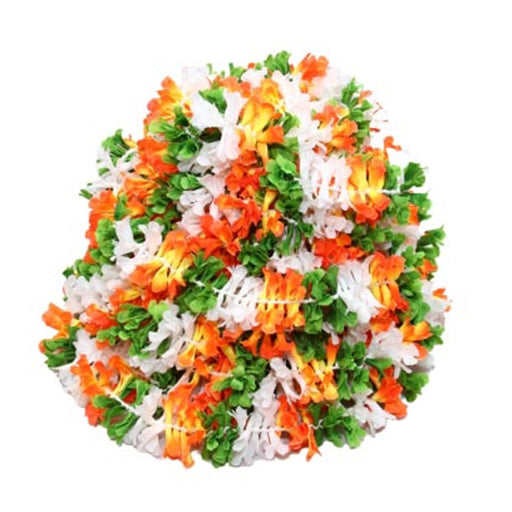
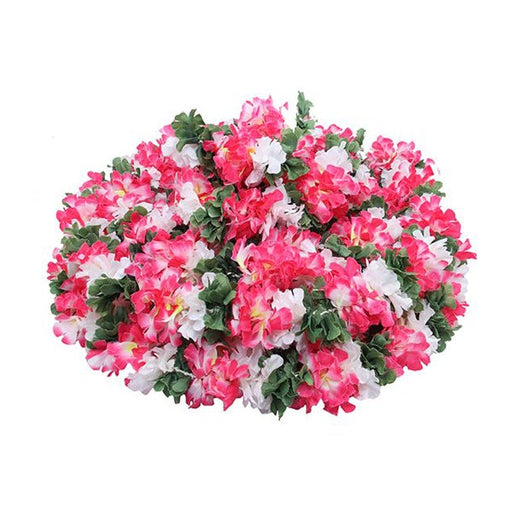
Hindu families across Australia continue to celebrate Varalakshmi Vratham while preserving their traditional customs. From decorating the home and Kalasham to arranging Lakshmi Vastram, jewellery, Thoranam, and other Pooja Essentials, families can prepare for the festival while maintaining their regional traditions.
For families living away from their ancestral communities, convenient access to traditional Varalakshmi Vratham Pooja Samagri makes it easier to continue this beautiful festival and introduce its traditions to the next generation.
Conclusion
Varalakshmi Vratham is a sacred celebration of Goddess Lakshmi and her blessings of prosperity, happiness, abundance, and well-being. Through the traditional Varalakshmi Pooja, Kalasha Sthapana, Alankaram, offerings, prayers, and Aarti, devotees express their faith and seek divine blessings for their families.
Prepare for the auspicious occasion with authentic Varalakshmi Vratham Pooja Samagri, Lakshmi Vastram, Kalasham, Thoranam, jewellery, and other Pooja Essentials according to your family traditions.
May Goddess Varalakshmi bless every home with prosperity, peace, happiness, good health, and abundance.
Varalakshmi Vratham | Varamahalakshmi Nombu | Varalakshmi Puja | Ashtalakshmi Pooja | Varalakshmi Vrat | Ashta Lakshmi Puja | Ashta Laxmi Pooja | Varalakshmi Vrat 2026 | Varalakshmi Puja 2026 | Varalakshmi Vratham 2026 | Kalasam For Pooja | Amman Face For Kalasam | Ashta Lakshmi Pooja At Home | Ashta Laxmi Puja | Kalasam Pooja | Kalasam Varalakshmi Pooja | Lakshmi Devi Vratham | Lakshmi Devi Vratha Katha | Lakshmi Face For Pooja | Lakshmi Vratham | Sacred Pot | Ammavari Face | Kalash | Artificial Flower Garland | Thoran | Brass Plate | Amman Alangaram | Amman Face | Lakshmi Face